Securing Your Company’s Big Data
Along with Mobility and Cloud Computing, Big Data is one of the most important IT trends of 2012. In order to compete effectively, companies are evaluating the best way to work with and manage Big Data. How do you ensure that these huge files reach their location safely? Which transmission paths should be used?
Many companies expect to gain a competitive edge through the systematic evaluation of all its database information (Big Data). Such analysis and evaluation can lead to better customer service, streamlined logistics processes, targeted mailing lists, clarified market trends and more.
Often, data must first be collected from different databases and different locations. So, having good, secure data storage is an important part of the equation. Yet, does that storage security get compromised when large volumes of data are transmitted via open communication channels such as fax, email, FTP or simple copy mechanisms through network connections?
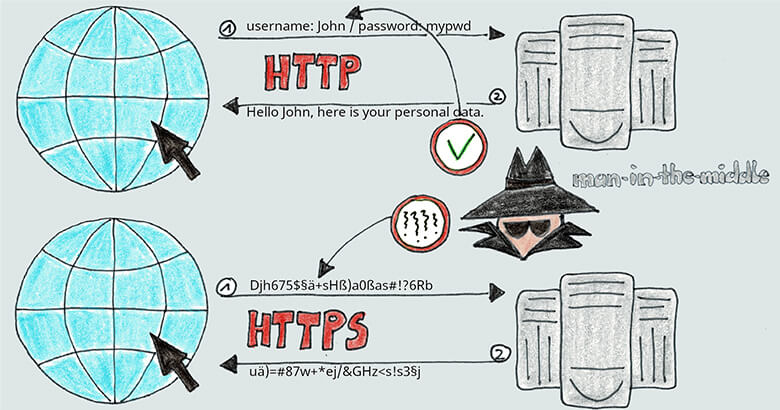
Absolutely! Companies need to make sure to secure not only their data storage, but also how the data is moved between end users and systems. Whether pricing, planned marketing campaigns or personal data, the files exchanged within a company are Intellectual Property (IP) and therefore worthy of protection.
Managed File Transfer (MFT) allows the secure and traceable exchange of unstructured files of any size. Thanks to central monitoring and reporting tools, companies are given a clear overview of all electronic data transfers.
More information on Managed File Transfer (MFT) can be found at http://www.seeburger.com/managed-file-transfer.html
You can follow any responses to this entry through the RSS 2.0 feed. You can leave a response, or trackback from your own site.